Vintage Story Font: How a Handwritten Typeface Builds Business Trust
Why Branding Starts With the Right Font Choice
As a small business owner, every visual element you use shapes how customers see your brand. From your logo to your Instagram stories, the details matter. One of the most overlooked tools in building a consistent and trustworthy brand identity is the font you choose. Vintage Story, a handwritten script font with rustic charm, offers a unique way to connect with your audience while maintaining a professional edge.
What Makes Vintage Story Stand Out
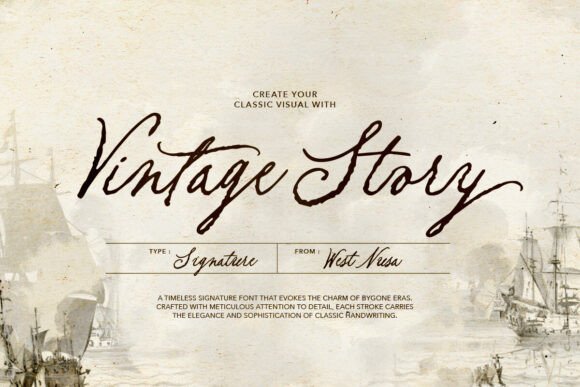
Vintage Story is a script font designed to mimic real handwriting. Its flowing, slightly irregular lines give it a warm, personal feel. Whether you're launching a boutique, opening a café, or selling handmade candles, this font brings a sense of authenticity and nostalgia that resonates with customers. It’s not just decorative—it tells a story.
Because it includes ligatures and alternates, you can customize the look for different uses. This makes it versatile for both print and digital applications, helping your brand feel cohesive across multiple platforms.
Real-World Uses for Vintage Story in Your Business
When you're building a brand from the ground up, consistency is key. Vintage Story works well in many customer-facing materials, including:
- Logos for small shops, bakeries, or lifestyle brands
- Product labels for handmade goods or natural skincare lines
- Packaging design for coffee roasters, candle makers, or artisanal food producers
- Thank-you cards and handwritten-style notes for clients
- Social media graphics for Instagram, Pinterest, or Facebook posts
- Digital ads and email headers that reflect your brand’s personality
If you run a local café, try using Vintage Story for your menu board or loyalty program cards. For a wedding planner or stationery designer, this font adds a romantic, personal touch to invitations and thank-you cards. Even service-based businesses like life coaches or wellness practitioners can use it in digital content to build emotional connections with clients.
How Font Choice Affects Brand Perception
Fonts do more than just display words—they communicate emotion. Choosing a font like Vintage Story helps your brand feel approachable, genuine, and creative. This is especially important for small businesses trying to stand out in a sea of generic typefaces.
When your logo, packaging, and website visuals all use the same carefully chosen font, customers begin to recognize your brand instantly. This recognition builds trust and makes your business feel more established, even in the early stages.
When to Use Vintage Story—and When to Pair It With Others
Vintage Story shines as a display font or accent typeface. It’s best used for headlines, logos, or short phrases where you want to create a visual impact. Because of its decorative nature, it’s not ideal for long paragraphs or body text.
To keep your branding both expressive and readable, pair Vintage Story with clean sans serif fonts like Montserrat or Lato for supporting text. If you're designing a product label, use Vintage Story for the brand name and a simple serif or sans serif font for ingredients or descriptions.
This kind of font pairing helps maintain visual harmony while ensuring your message is clear and easy to read.
Readability Across Business Touchpoints
Before committing to any font, test how it looks in real-world settings. Vintage Story works well in printed packaging, but make sure it’s large enough to read on small labels or tags. On mobile screens, avoid using it for long captions or small buttons. Instead, use it for headlines or quote graphics where the font’s charm can shine without sacrificing usability.
If you're creating a sticker or a social media post, preview it at thumbnail size to ensure the text remains legible. A beautiful font loses its value if your audience can’t read it.
Testing Vintage Story Before Full Brand Rollout
Before applying Vintage Story across your entire brand, start with a few key pieces. Print a sample business card or mock up a product label using the font. Ask customers or peers for feedback on readability and overall appeal.
Many font marketplaces offer preview tools so you can see how Vintage Story looks in different applications. Use these to test variations and find the right weight and spacing for your needs.
Font Licensing: A Practical Step Every Business Owner Should Take
When using any font for commercial purposes—especially in packaging, product design, or digital downloads—it’s important to check the licensing terms. Vintage Story, like other premium fonts, may require a commercial license depending on how you plan to use it.
Make sure the font is approved for use in logos, merchandise, and client-facing materials. This protects your business and ensures you’re not violating any design asset agreements.
Final Thoughts: Building a Cohesive Brand Identity
Vintage Story isn’t just another script font—it’s a tool for storytelling and connection. Whether you're designing a new logo or updating your product packaging, choosing the right typeface can make your small business feel more professional and trustworthy.
By using Vintage Story consistently across your branding, you create a visual language that customers can recognize and remember. Pair it thoughtfully, test it in real applications, and always verify licensing to ensure your brand looks great—and stays on the right side of design rules.